 (Image via
Impact investing often sounds like a game reserved for venture capitalists and philanthropic foundations with deep pockets. The idea of using your money to generate both a financial return and a positive social or environmental impact is appealing, but where does the average person even start? For years, the entry points were limited and complex. You either needed a fortune to invest in a wind farm or had to navigate the murky waters of ESG funds, hoping your investment was actually doing some good. This left many everyday investors feeling like they were stuck on the sidelines of a movement they wanted to join.
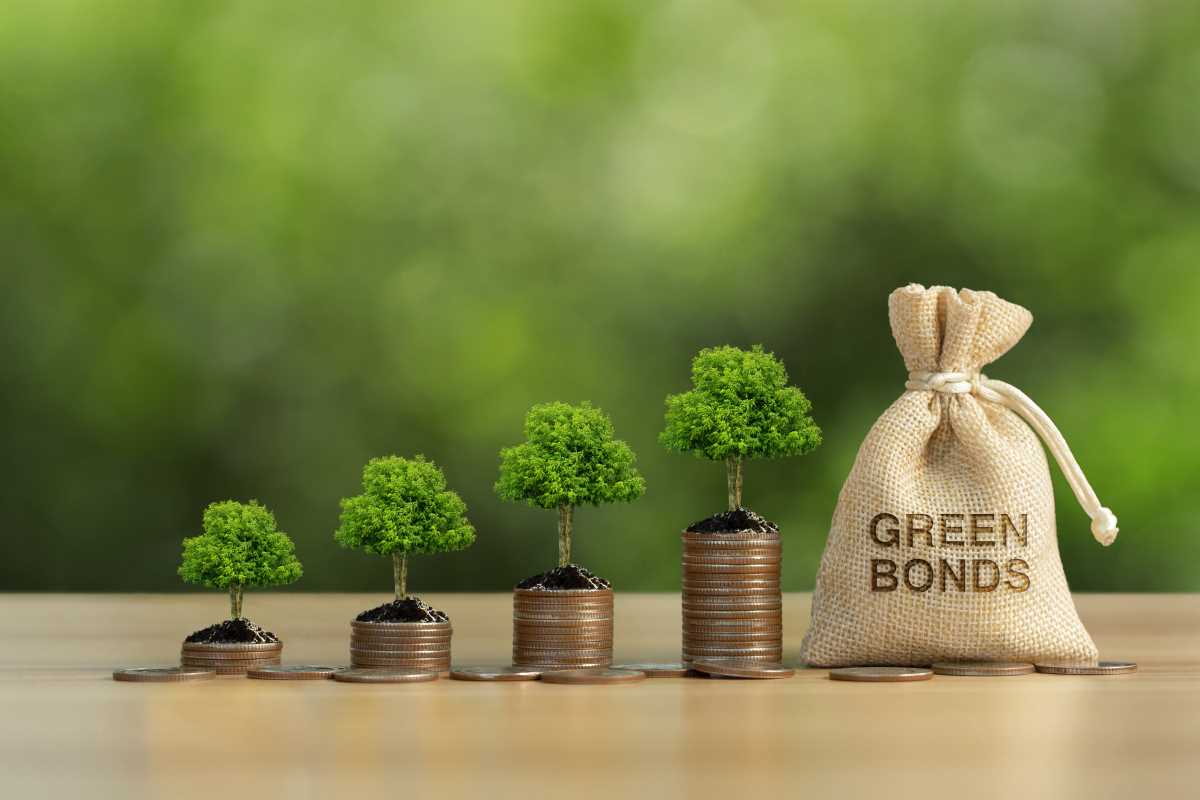
Enter the retail green bond, a financial tool designed to democratize impact investing. These are essentially loans you make to governments or corporations, but with a crucial twist: the money is specifically earmarked for projects with clear environmental benefits. Think renewable energy infrastructure, sustainable water management, or green building construction. They offer a direct, transparent, and accessible way for ordinary people to put their money to work for the planet. It’s a chance to fund the future you want to see, one bond at a time, without needing a seven-figure bank account.
What Exactly Is A Retail Green Bond
A retail green bond is a fixed-income investment instrument sold directly to individual investors, rather than just large institutions. When you buy one, you are lending money to an issuer, like a government or a large utility company. In exchange, they promise to pay you back your initial investment at a future date, along with periodic interest payments along the way. The "green" part of the name is the key differentiator. The issuer legally commits to using the proceeds from the bond exclusively for financing new or existing projects that have positive environmental outcomes.
This structure provides a level of transparency that is often missing in other forms of sustainable investing. The issuer must clearly define the projects being funded and regularly report on their environmental impact. This means you know exactly what your money is doing, whether it is helping to build a new solar array or upgrade a city's public transit system. It transforms your investment from an abstract number on a screen into a tangible contribution to a greener, more sustainable economy, all while providing the relative stability and predictable returns of a traditional bond.
The Powerful Benefits For You And The Planet
For the investor, retail green bonds offer a compelling "two-for-one" deal. You get the potential for a stable financial return, much like a conventional bond, while also making a measurable positive impact on the environment. This aligns your financial goals with your personal values, which is something many modern investors are actively seeking. Because they are often issued by governments or highly-rated corporations, they can be a relatively low-risk addition to a diversified investment portfolio. It is a way to do good without necessarily sacrificing the potential for doing well financially.
For the planet, the benefits are even more significant. Green bonds channel billions of dollars in private capital directly into the projects that are critical for combating climate change and fostering sustainability. They help fund the massive infrastructure overhaul needed to transition to a low-carbon economy. By creating a dedicated stream of financing for green initiatives, these bonds accelerate the pace of environmental innovation and deployment. They create a powerful market-based incentive for companies and governments to invest in sustainability, helping to scale up the solutions our world urgently needs.
How The Green Bond Process Works
The journey of a green bond begins when an entity, like a city or a corporation, identifies a series of eligible green projects. These projects are then evaluated against a set of established criteria, such as the Green Bond Principles, to ensure they meet the required environmental standards. Once the projects are certified as "green," the issuer structures the bond offering, setting the interest rate, maturity date, and other terms. The bonds are then made available for purchase by the public through brokerage platforms or directly from the issuer.
After the bonds are sold and the funds are raised, the issuer allocates the money to the specified projects. This is where the accountability comes in. The issuer is obligated to provide regular reports to investors, detailing how the proceeds are being used and quantifying the environmental impact of the funded projects. This might include metrics like tons of CO2 emissions avoided or megawatts of renewable energy capacity installed. This transparent reporting loop ensures that the "green" promise is kept, giving investors confidence that their money is truly making a difference.
Real World Examples Of Green Bonds In Action
One of the most prominent examples is the green bond program from the UK government. Offered through its National Savings & Investments (NS&I) arm, these bonds allow UK residents to invest directly in projects that support the country's transition to net-zero emissions. The proceeds help finance initiatives in areas like offshore wind, carbon capture and storage, and home energy efficiency upgrades. This program not only raises funds for critical climate projects but also engages the public directly in the national sustainability effort, making citizens active participants in the green transition.
In the corporate world, major companies like Apple have issued green bonds to finance their environmental initiatives. Apple has used the funds to power its operations with 100% renewable energy and to develop innovative recycling technologies. These bonds show that green finance is not just for governments or utility companies. They demonstrate how even tech giants can leverage this tool to reduce their environmental footprint and drive sustainability throughout their supply chains, offering investors a chance to support the greening of iconic global brands.
Getting Started With Green Bond Investing
Dipping your toes into the world of green bonds is more accessible than you might think. The first step is to check for offerings from your own government, as these are often designed specifically for retail investors and can be purchased with relatively low minimum investments. You can typically buy these through a government savings portal or a designated brokerage. Keep an eye on financial news, as new sovereign and municipal green bonds are announced regularly. These can be a great starting point due to their generally lower risk profile.
For a wider variety of options, you can explore green bond exchange-traded funds (ETFs) and mutual funds. These funds hold a diversified portfolio of green bonds from various corporate and government issuers, spreading your risk across dozens of different projects and regions. Most major online brokerage platforms offer a selection of these funds. Before investing, always read the fund's prospectus to understand its investment criteria and the types of green projects it supports. This allows you to easily build a diversified, impactful portfolio that aligns with your financial and ethical goals.