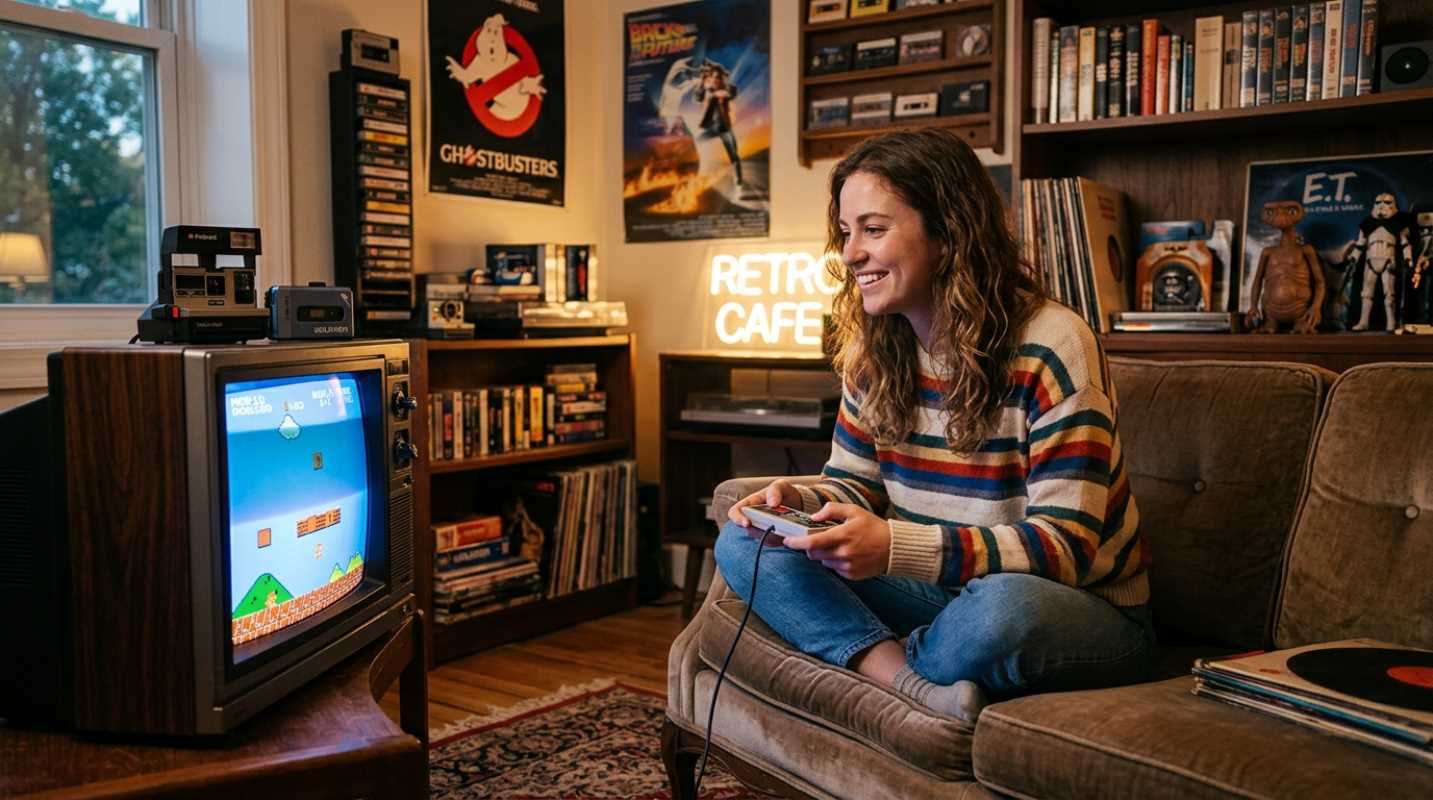
Think back to a typical Friday night twenty years ago. You probably hopped in your car, drove to the local video store, and spent twenty minutes wandering through aisles of plastic cases. You hoped the hot new release was still in stock. If it was, you grabbed it, paid your money, and had to return it in a few days to avoid a late fee.
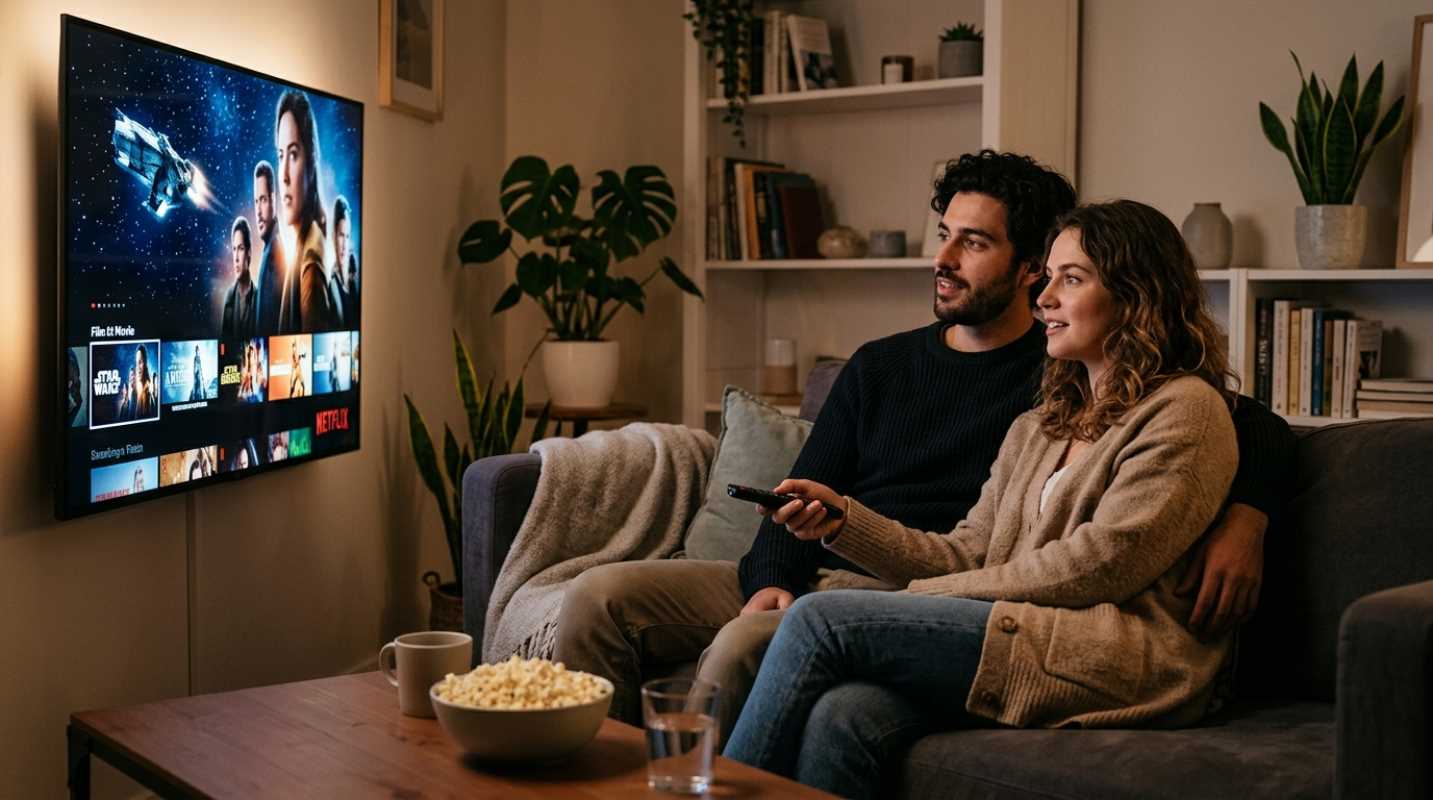
Now, think about tonight. You sit on your couch, pick up a remote, and scroll through thousands of titles. There are no late fees, no scratched discs, and no driving in the rain.
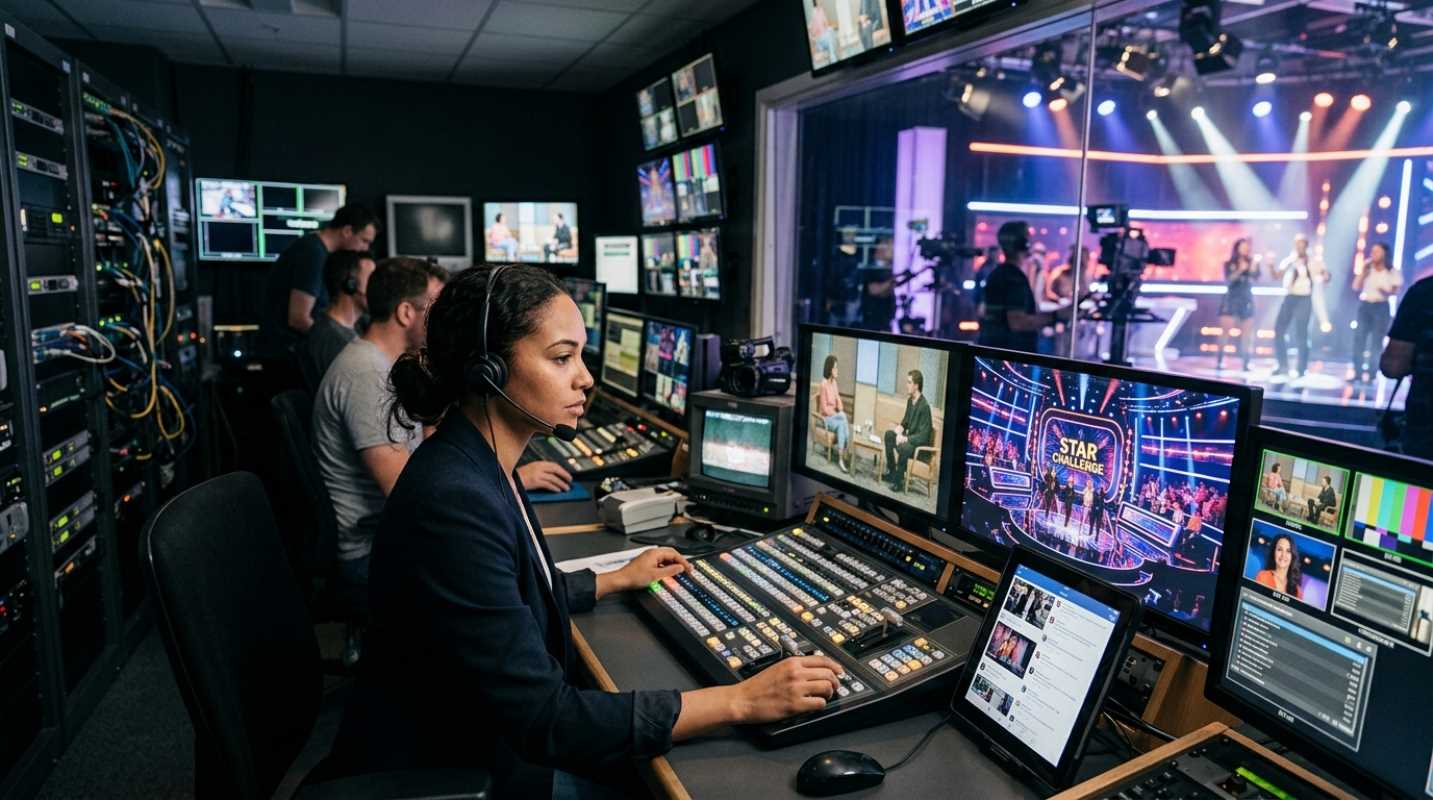
This transition from physical rentals to instant gratification didn't just change how we get our movies. It altered our entire relationship with the media. We went from scheduled programming, where you had to be home by 8:00 PM to catch a broadcast, to a world where you have absolute control.
This shift has established a new standard for entertainment. Today, we expect everything to be available immediately. If a movie requires effort to find, many viewers simply move on to something else.
Disrupting the Traditional Movie Industry Business Model
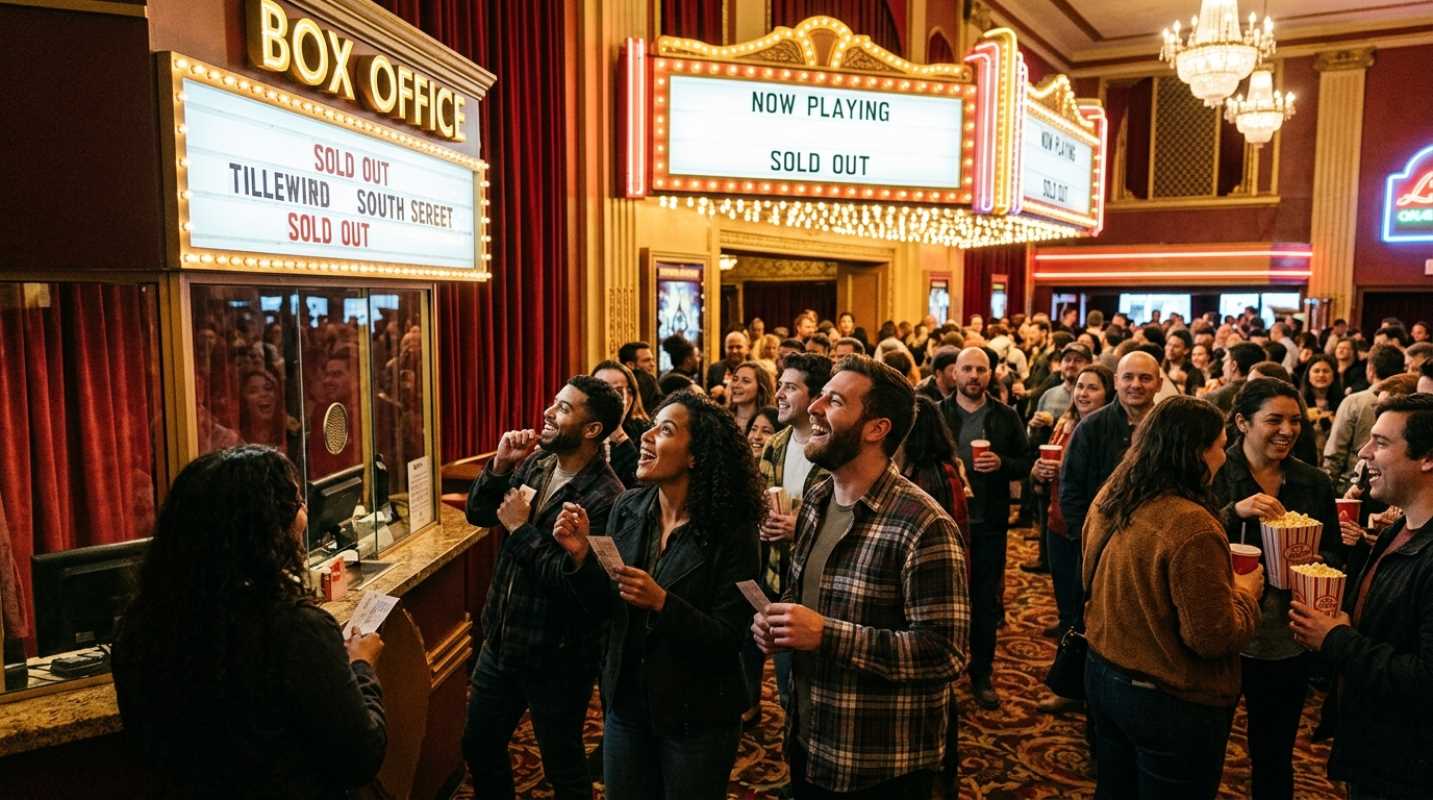
For decades, the movie industry relied on a predictable system. A film would play exclusively in theaters for about 90 days. After that, it went to physical rental, then pay-per-view, and finally television. This system protected theater owners and guaranteed a steady stream of box office revenue.
But that old model has completely broken down. By 2024, the average theatrical window for major releases shrank to just 32 days. Some studios even started pushing movies to premium digital rental in as little as 17 days if they didn't perform well on opening weekend.
So what does this actually mean? It means the theatrical run is no longer the sacred cash cow it used to be. Instead of relying solely on individual ticket sales, studios focused on recurring monthly subscription fees. But building these massive libraries is incredibly expensive. In 2024, major content companies spent a combined 126 billion dollars on production.¹
To survive, platforms have had to adapt. They brought back the very thing they originally promised to eliminate: commercials. Last year, in 2025, over 30 percent of Netflix and Disney+ subscribers chose ad-supported tiers. Amazon Prime Video even made ads its default setting.
The financial pressure of this battle has also led to massive corporate mergers. In late 2025, we saw Netflix make a stunning 82.7 billion dollar bid to acquire Warner Bros. Discovery. The business model has shifted from selling single tickets to keeping you locked into a monthly payment cycle.
The Golden Age of Content Accessibility
On paper, we are living in a paradise of choice. You have access to decades of cinema history right on your phone. If you want to watch a classic 1950s film noir, a modern indie drama, or a blockbuster action flick, they are all just a click away.
But this infinite catalog has a downside. Have you been there? You spend forty minutes scrolling through menus, only to give up and go to sleep. You aren't alone. Studies show that nearly 30 percent of consumers spend more time trying to choose a movie than actually watching one. This choice paralysis has become a tax on our free time.
Although the average U.S. household subscribed to over five streaming services last year, they became highly price-sensitive.³ Rather than keeping multiple active accounts, many consumers now rotate their subscriptions. They sign up for a month to watch a specific movie, cancel immediately, and move to another platform.
Fortunately, this accessibility has also done something wonderful: it has democratized global cinema. In the past, watching an international film meant finding a rare specialty theater. Today, movies from South Korea, Spain, or Nigeria can become massive global hits overnight. We are more connected to global storytelling than ever before.
If you want to make the most of your home viewing experience, having the right setup is needed. Here are some of the best tools and platforms to help you handle the modern streaming world.
The Binge-Watching Phenomenon and Social Viewing
Streaming has also changed the social fabric of movie watching. It used to be that a movie was a shared cultural event. You and your friends would go to the theater on Friday, and then spend Monday morning talking about it.
Today, that shared experience is much rarer. Because platforms often drop entire series or movie trilogies at once, we have embraced marathon viewing. You might watch an entire trilogy over a single weekend, while your best friend hasn't even started the first film. The classic water cooler conversation has largely died, replaced by highly specific online forums and social media groups where fans gather to discuss their favorite niche genres.
Our daily viewing habits have also become much more distracted. How often do you watch a movie without looking at your phone? Most of us are guilty of using a second screen while watching at home. We scroll through social media, look up trivia on IMDb, or text friends while the movie plays. We are consuming more hours of video, but we are giving it less of our undivided attention.
The Future of Cinema in a Streaming-First World
So, what does the future look like? The tension between the theater experience and the convenience of home streaming isn't going away.
Two-thirds of adults now say they prefer to wait for a movie to hit streaming services rather than buy a ticket at a theater. Going to the movies is no longer our default weekend plan. AMC CEO Adam Aron openly argued that the short-window experiment failed, leading some studios to start pushing back toward 45-day theatrical windows.²
Interestingly, younger viewers are leading a bit of a theatrical comeback. Gen Z theater attendance actually grew by 25 percent last year, driven by social media trends and the desire for a shared, real-world experience. They don't just want to watch a movie; they want an event.
As we move deeper into 2026, we will likely see even more personalization. AI tools will make finding your next film easier, and streaming platforms will continue to refine their models to keep you hooked.
But regardless of how the business changes, the core magic of film remains. Whether you are sitting in a packed theater with a sixty-foot screen or watching on a tablet in bed, a great story still has the power to move us. The screens may change, but our love for great movies never will.
Sources:
1. Quality Over Quantity: How Streaming and Media Content Will Change in 2025
https://www.bdo.com/insights/industries/technology/quality-over-quantity-how-streaming-and-media-content-will-change-in-2025
2. Major American Cinema Chain AMC is Wanting the 45-Day Theatrical Window Back
https://filmstories.co.uk/news/major-american-cinema-chain-amc-is-wanting-the-45-day-theatrical-window-back/
3. Global Streaming Study
https://www.simon-kucher.com/en/insights/global-streaming-study

.jpg)