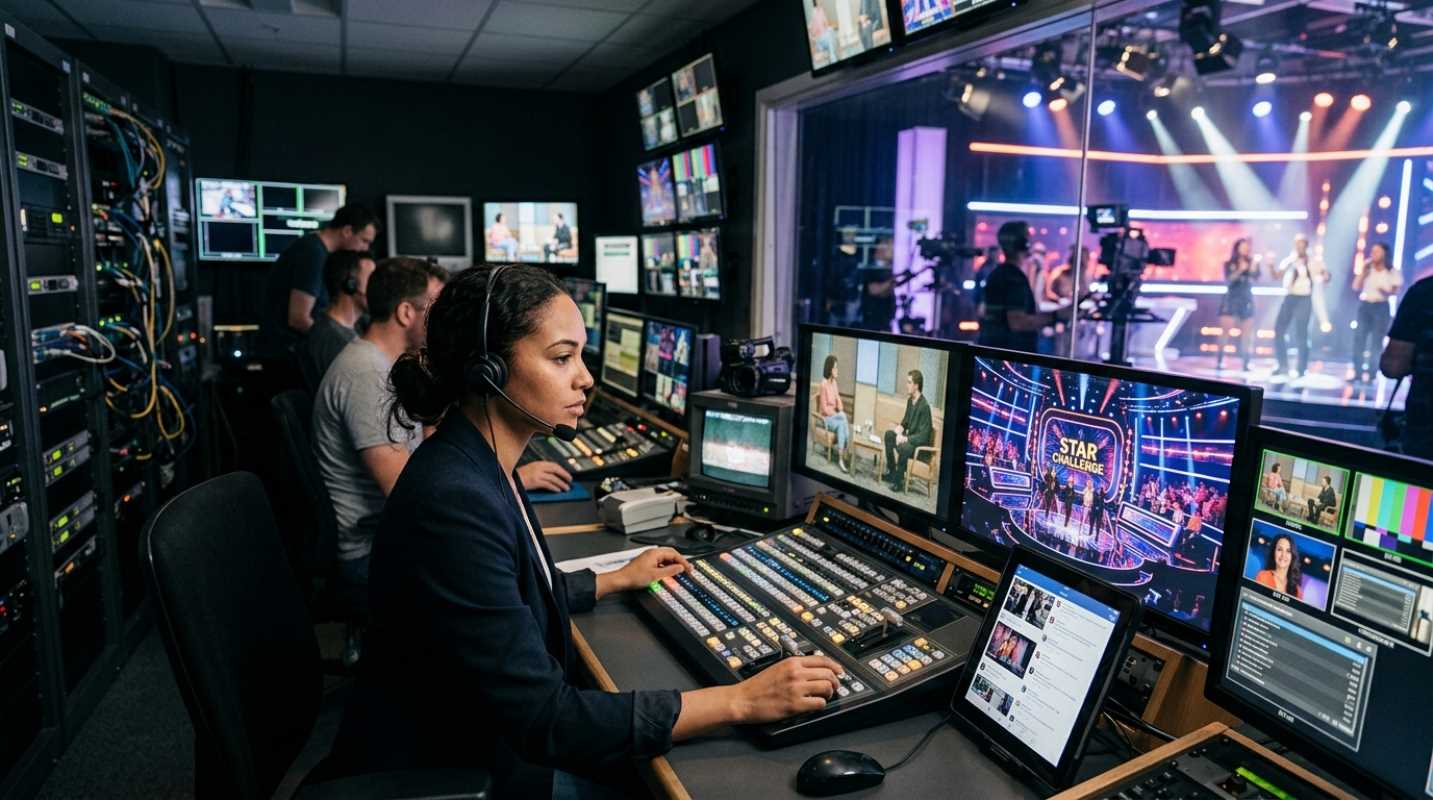
Have you ever found yourself staring at your television screen at two in the morning, completely obsessed with whether a group of strangers in pods will get married? You're definitely not alone. Reality television is no longer just a guilty pleasure we hide from our friends. It's a massive, dominant force in the entertainment industry.
We used to rely on carefully written scripts and professional actors to fill our evenings. Today, we crave raw, unscripted human interaction. We want to watch people argue, fall in love, betray each other, and fail spectacularly.
This shift didn't happen overnight, but the genre has proven it's got serious staying power. It's the ultimate survivor of the television world, adapting to every technological shift and cultural wave with ease.
The Early Days and the Birth of Real Life Drama
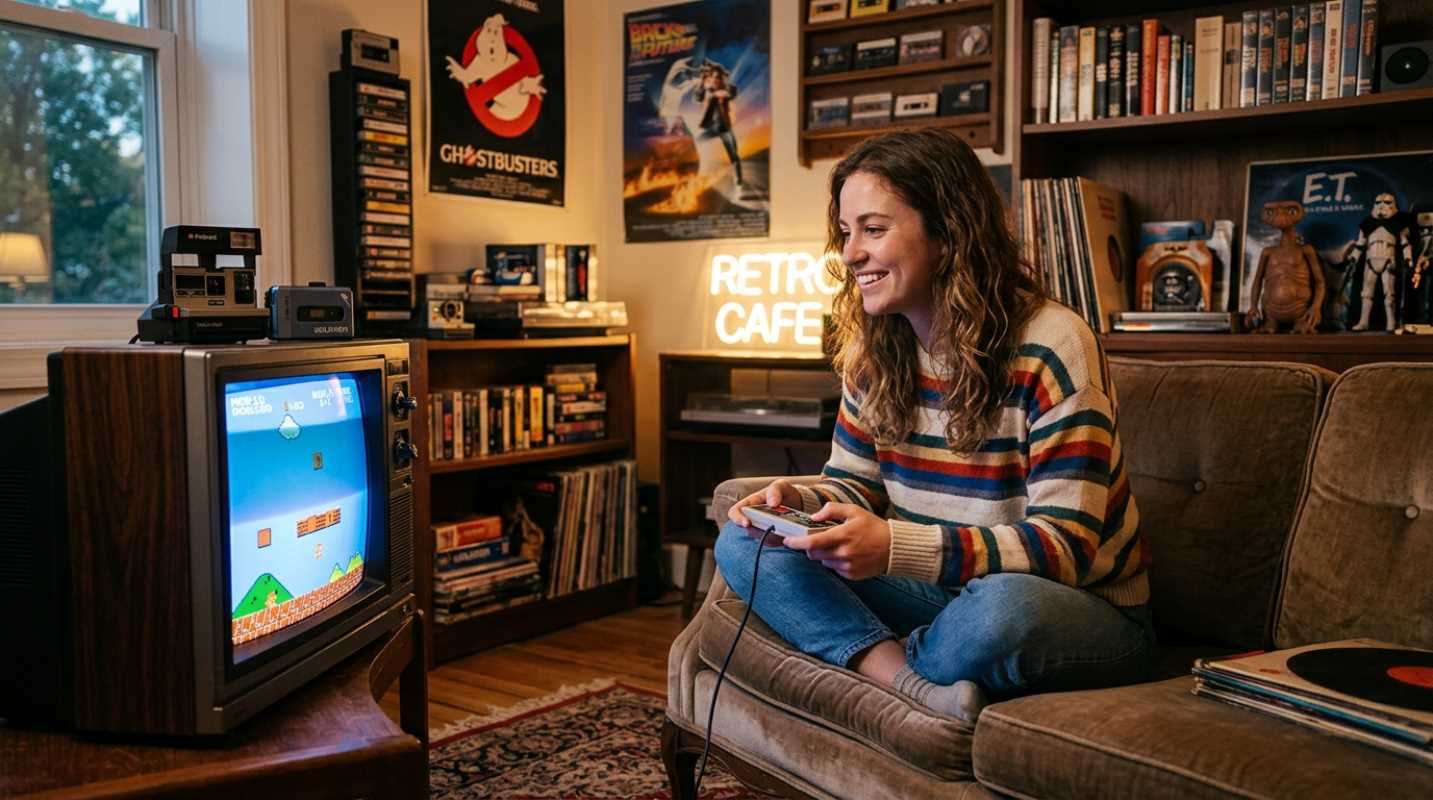
Let's take a quick trip back in time. Before we had glossy dating shows, we had simple social experiments. In 1973, PBS aired An American Family, which gave viewers an unfiltered look at the Loud family as they went through a divorce. It was strange, uncomfortable, and utterly captivating.
By the late 1980s, shows like Cops were trading actors for real police officers and suspects. Television history was quietly moving away from pure fiction toward observational formats. Why? Because watching ordinary people on screen was suddenly much more exciting than watching actors read lines.
Think of it like looking through your neighbor's window with their permission. We became obsessed with the mundane details of other lives. This early era proved that real life, even when it's messy or boring, is the best script you could ask for.
The Golden Age of Competition Approach and Spectacle
Then the calendar flipped to the year 2000, and everything changed. Suddenly, reality television wasn't just about watching people live their lives. It was about watching them play a game.
Shows like Survivor and Big Brother took ordinary citizens, locked them in controlled environments, and forced them to plot against each other. At the same time, American Idol turned singing competitions into a weekly national voting sport. This gamification of reality television was an absolute goldmine.
The ratings were massive, but these shows did something even more important. They created the ultimate casting blueprint. Producers realized they didn't need nice, agreeable people. They needed villains, underdogs, and loudmouths. They needed archetypes that viewers would either love or desperately want to see lose.
The Rise of the Influencer and the Docu Soap Era
As the years went on, the genre shifted again. We moved from the jungle and the Big Brother house straight into the living rooms of the ultra-wealthy. Enter The Real Housewives and Keeping Up with the Kardashians.
This was the birth of the docu-soap, and it completely changed the game. Suddenly, reality television was a launchpad for personal branding and social media fame. You didn't just watch these people on Sunday nights. You bought their makeup, followed them on Instagram, and modeled your lifestyle after theirs.
But this created a weird paradox. What's actually real anymore? The lines between genuine human moments and highly curated, sponsor-friendly social media personas are incredibly blurry. Contestants on today's dating shows are often accused of joining the cast just to secure brand deals rather than to find actual love.
This visual curation also has real-world consequences. Take Love Island USA, which dominated social media recently. Viewers and experts pointed out that almost all female contestants embodied a highly specific, medically improved aesthetic, with lash clusters, lip fillers, and hair extensions. It's sparked massive cultural debates about how these shows dictate beauty standards for teenagers and affect youth mental health.
There's also a deeper, almost political side to this. A study by Columbia University political scientist Dr. Eunji Kim looked at how underdog success stories on shows like Shark Tank and MasterChef affect us. The research found that watching these rags-to-riches stories actually inflates our own sense of economic prospects. Because we see people succeed through sheer hard work on TV, we're more likely to believe the myth of meritocracy, which can actually lower our support for systemic economic reforms.
If you want to dive into the best of modern unscripted television, here are the top platforms and shows you need to check out right now.
The Future of Reality Streaming and Global Integration
Let's talk about where we are right now in 2026. The financial power of reality television is staggering. The global reality show market is valued at over 35 billion dollars.¹ Streaming platforms are aggressively fighting traditional networks for unscripted content, accounting for over 33 percent of reality television market revenues.¹
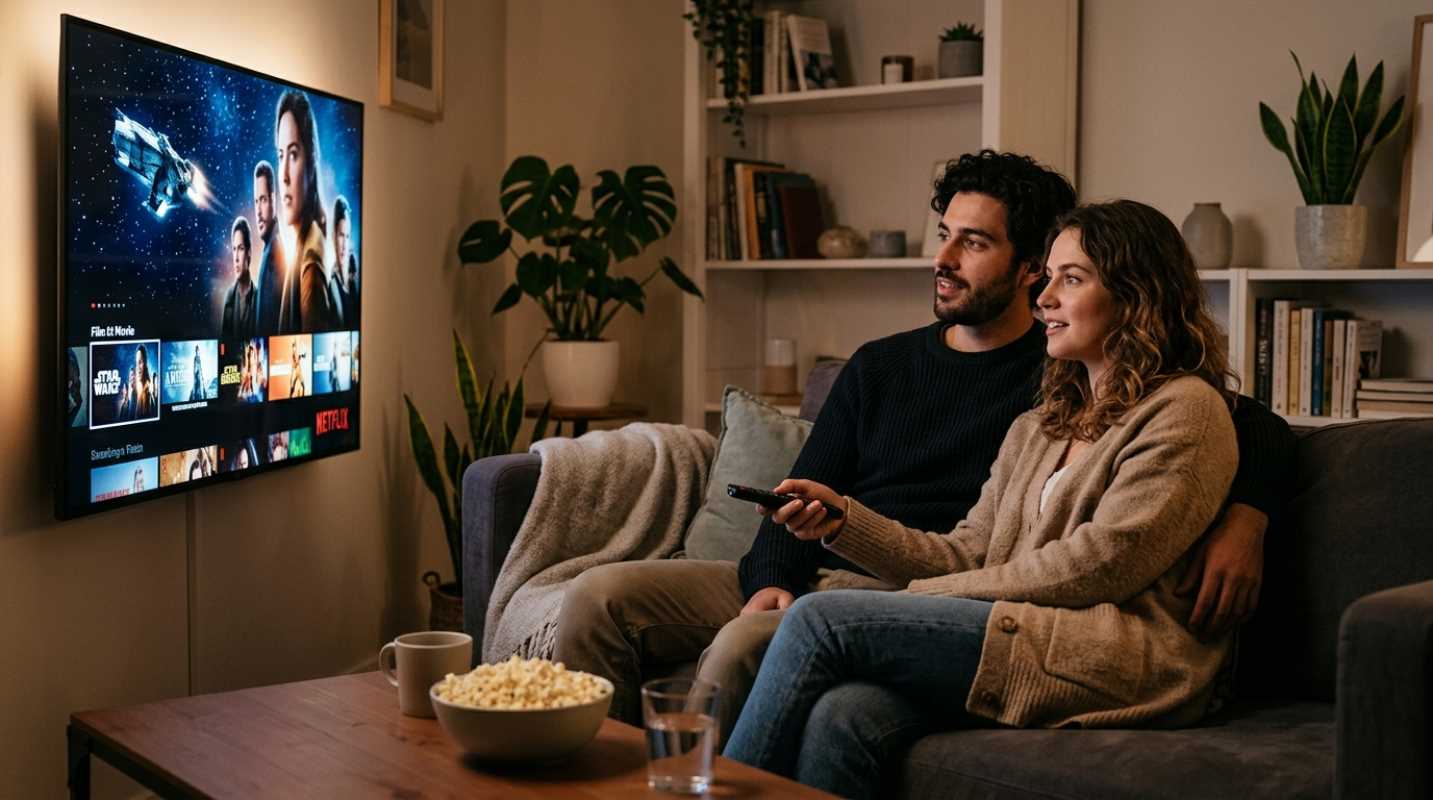
Why do streamers love unscripted shows? They're cheap to make, and they keep you hooked. After the Hollywood writers' and actors' strikes, networks and streaming services leaned heavily into unscripted programming to fill their schedules.
Look at some of the massive numbers we've seen recently
• Love Is Blind: The Netflix giant accumulated 4.75 billion minutes viewed in the first half of last year.
• The Traitors: The season three premiere on Peacock hit a record 499 million minutes viewed in its debut week.² This represented a massive 67 percent increase over the previous season's premiere.³
• Beast Games: Prime Video threw a record-breaking 5 million prize at contestants, pulling in nearly 3 billion minutes viewed over six weeks.
We're also seeing a massive global exchange of formats. Shows like Love Island and The Traitors are adapted in dozens of countries, creating a global reality television universe. Major shows generated over 3.8 billion social media interactions across TikTok, Instagram, and YouTube.
At its core, reality television is the ultimate mirror of our society. It shows us our greed, our desire for fame, our ideas of beauty, and our belief in the American Dream. As long as we're curious about other human beings, reality television will remain the undeniable backbone of the entertainment industry.
Sources:
1. Wiseguy Reports
https://www.wiseguyreports.com/reports/reality-show-market
2. NBC Universal
https://www.nbcuniversal.com/article/traitors-season-3-debuts-most-watched-unscripted-series-us
3. The Futon Critic
http://www.thefutoncritic.com/ratings/2025/01/16/third-season-of-peacock-original-the-traitors-debuts-as-number-1-unscripted-series-in-the-us-across-all-platforms-921114/20250116peacock01/

.jpg)