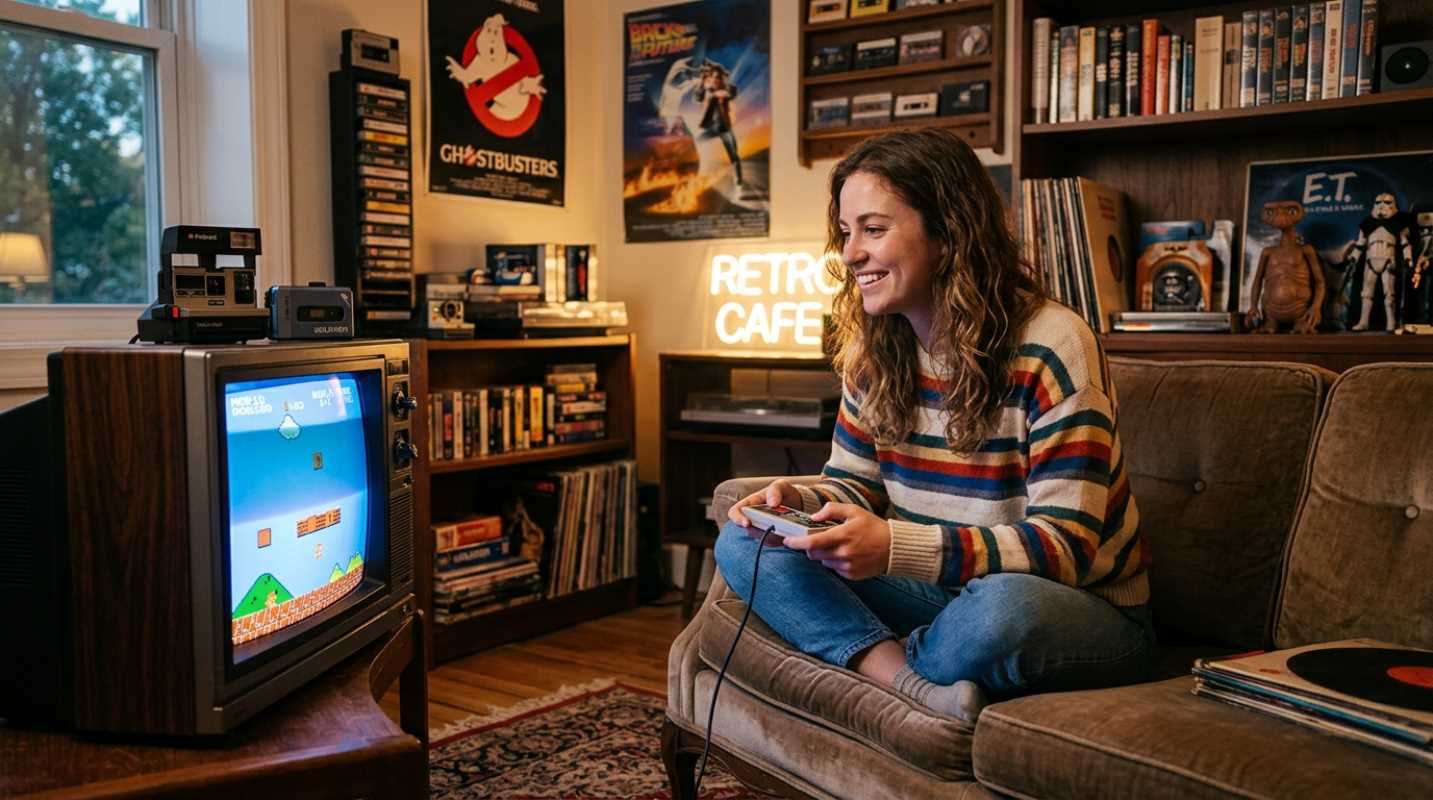
Have you ever spent half an hour scrolling through a streaming app, only to end up clicking on an episode of a sitcom you have already watched ten times? You are not alone. This is the default setting for millions of viewers. In a world that feels increasingly chaotic and unpredictable, we are retreating into the cozy embrace of the familiar.
The Comfort of the Known and Why We Can't Look Away
Think of nostalgia as a warm mental safety blanket. When life gets a lot of, watching something you already know and love provides a sense of control. You already know the jokes, you know the characters will be fine, and you know exactly how the story ends.
This comfort-seeking behavior has changed how the entertainment industry works. Instead of taking big risks on original ideas, studios are leaning heavily into established intellectual property. Original stories are taking a backseat to things we already recognize, turning our screens into digital time machines.
The Economics of Recycled Hits
Making movies and television is incredibly expensive, and the financial stakes are higher than ever. With global entertainment and media revenue approaching 3 trillion dollars, studios cannot afford to guess what you want to watch.¹ They want guarantees.
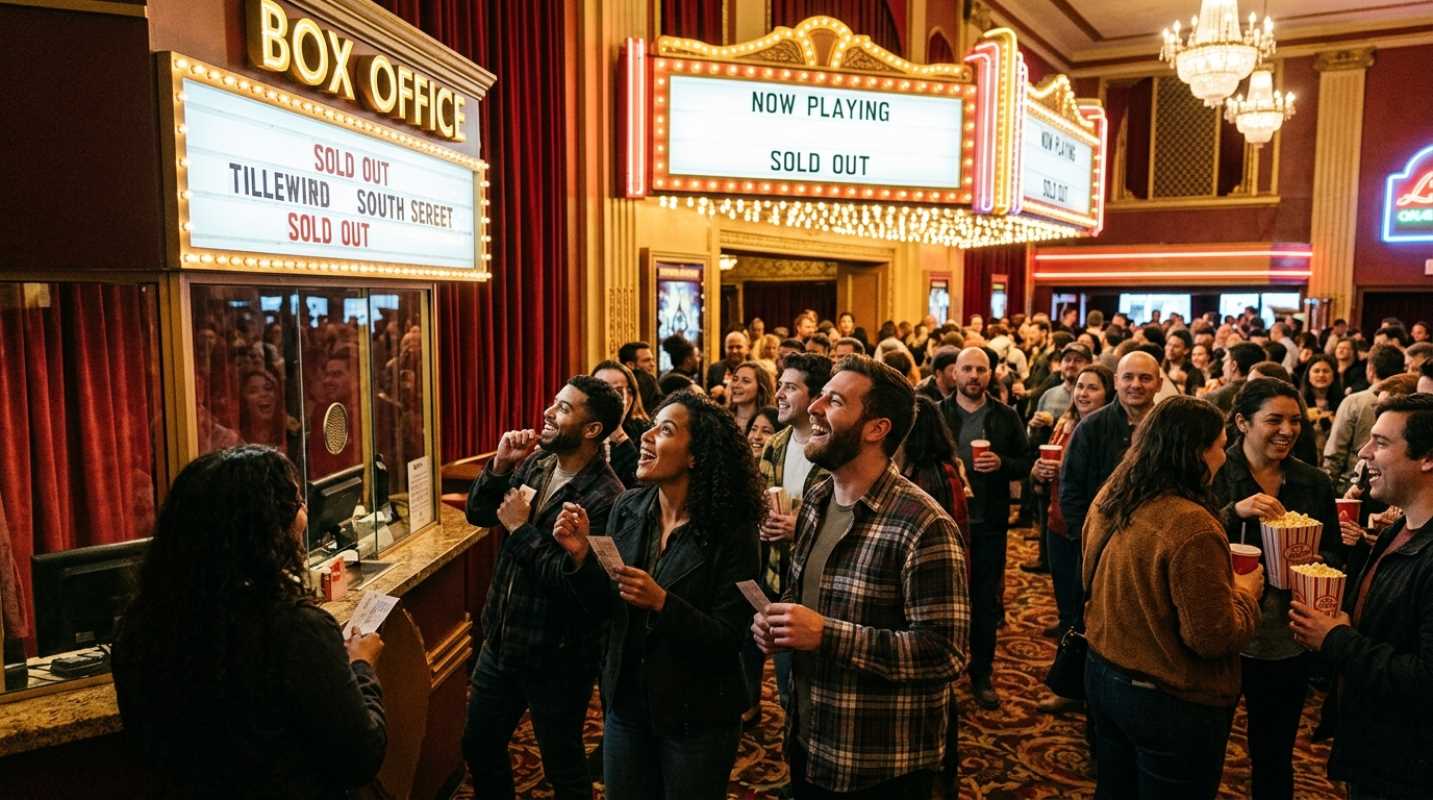
In the theatrical market, legacy titles are keeping the lights on. The domestic box office brought in 8.74 billion dollars in 2024, and crawled up slightly to 8.87 billion dollars in 2025.² Although those numbers show an industry recovering from production delays, the real story is what actually sold tickets.
It was not original concepts. It was old favorites.
Consider the biggest hits of the last couple of years
• Inside Out 2: This animated sequel brought in 1.7 billion dollars globally in 2024, capitalizing on a decade of emotional connection to the original characters.¹
• Deadpool & Wolverine: This film pulled in 1.34 billion dollars by bringing back Hugh Jackman and celebrating the early 2000s era of superhero films.¹
• Lilo & Stitch: The 2025 live-action remake crossed the 1 billion dollar mark by tapping straight into the childhood memories of Millennials and Gen Z.
• Ne Zha 2: This massive animated sequel became a global powerhouse, bringing in over 2 billion dollars worldwide.¹
Why do these films succeed so easily? It comes down to marketing efficiency. A studio does not need to spend millions of dollars explaining the premise of a live-action Lilo & Stitch. You already know the characters, you know the emotional beats, and you are already primed to buy a ticket.
The Digital Feedback Loop and Media Analysis
The shift toward the past is even more obvious when you look at streaming habits at home. Now that we are in 2026, streaming platforms have shifted their focus from funding expensive, risky new shows to keeping viewers hooked on massive libraries of older content.
The numbers are eye-opening. Data shows that library content outpaces original titles by a massive three-to-one margin.³ In the first quarter of 2026, viewers spent over 25 billion hours streaming library films and TV shows, compared to just 7.3 billion hours for brand-new releases.³
In fact, U.S. viewers spend nearly 60% of their screen time watching older content.³ This is the digital equivalent of comfort food.
The trend is growing rapidly
• The 10-Year Rule: Viewing time spent on series that started more than a decade ago rose to 37% in the first half of 2025.
• The Comedy Comfort Zone: Over a third of the time spent on older content goes directly to classic comedies like Friends and The Office.
• The Streaming Kings: Older shows are putting up numbers that make new releases look tiny. Like, Bluey racked up over 55 billion viewing minutes in 2024, while Grey's Anatomy generated nearly 48 billion minutes in the same year.
Even Suits, which became a massive hit years after it ended, continued to pull in billions of viewing minutes long after its final season. This kind of staying power is why streaming services are happy to spend fortunes licensing older shows instead of greenlighting risky new projects.
This trend is not just for older generations who want to relive their youth. Gen Z is fully on board with what people are calling nowstalgia. Morning Consult found that 68% of Gen Z consumers respond positively to throwback marketing. They are actively romanticizing eras they never even lived through, like the 1980s and 1990s, driving the popularity of shows like Stranger Things.
Is Innovation Dying or Just Changing
With so much focus on the past, you might wonder if original storytelling is dead. Are we destined to watch endless remakes, spin-offs, and sequels forever?
There is a big difference between a lazy cash-grab and a creative reinterpretation. Some of the most successful nostalgic media use the past as a bridge to tell a new story, rather than just using it as a crutch.
Like, Stranger Things works because it does not just copy 1980s movies. It combines that retro aesthetic with modern character development and high-end production values. It gives older viewers a hit of nostalgia while offering younger audiences a fresh, exciting story.
The real challenge is building new cultural touchstones in such a crowded market. When everyone is watching different niche shows on different platforms, it is incredibly hard to create a shared cultural moment. Relying on older, universally recognized IP is the easiest way to bring a fragmented audience together.
If you are looking to dive back into your favorite eras, these are some of the best ways to experience nostalgia-on-demand right now.
The Future of Fandom Beyond the Rearview Mirror
As we look ahead through 2026, the entertainment industry is starting to hit a wall with franchise exhaustion. Audiences are showing signs of fatigue. You can only watch so many superhero sequels or live-action remakes before the magic starts to wear off.
The key to the future is balance. Studios cannot survive solely on recycling the past, but they also cannot ignore the deep psychological need for familiarity.
The creators who win will be the ones who use nostalgia to ground us, while still taking the creative leaps necessary to build the classics of tomorrow. After all, the beloved shows we are nostalgic for today were once risky, original ideas that someone took a chance on.
Sources:
1. Movies in 2024: Lessons from a Turbulent Year at the Box Office
https://thebusinessjournal.com/movies-in-2024-lessons-from-a-turbulent-year-at-the-box-office/
2. North American Box Office Hits $8.87bn for 2025
https://www.screendaily.com/news/north-american-box-office-hits-887bn-for-2025-up-15-on-disappointing-2024/5212390.article
3. Older Content is Dominating U.S. TV Viewing Time
https://luminatedata.com/blog/older-content-is-dominating-u-s-tv-viewing-time/


.jpg)