Have you ever stood in the beauty aisle, staring at a wall of colorful serums, feeling completely overwhelmed? You are definitely not alone. With social media pushing a new "miracle" ingredient every single week, it is incredibly easy to feel like you need a medical degree just to wash your face.
The real goal of anti-aging skincare is supporting your skin's natural functions so it looks healthy, strong, and radiant at every age. When you know which active ingredients actually have scientific backing, you can ignore the marketing hype and take control of your skincare routine with total confidence.
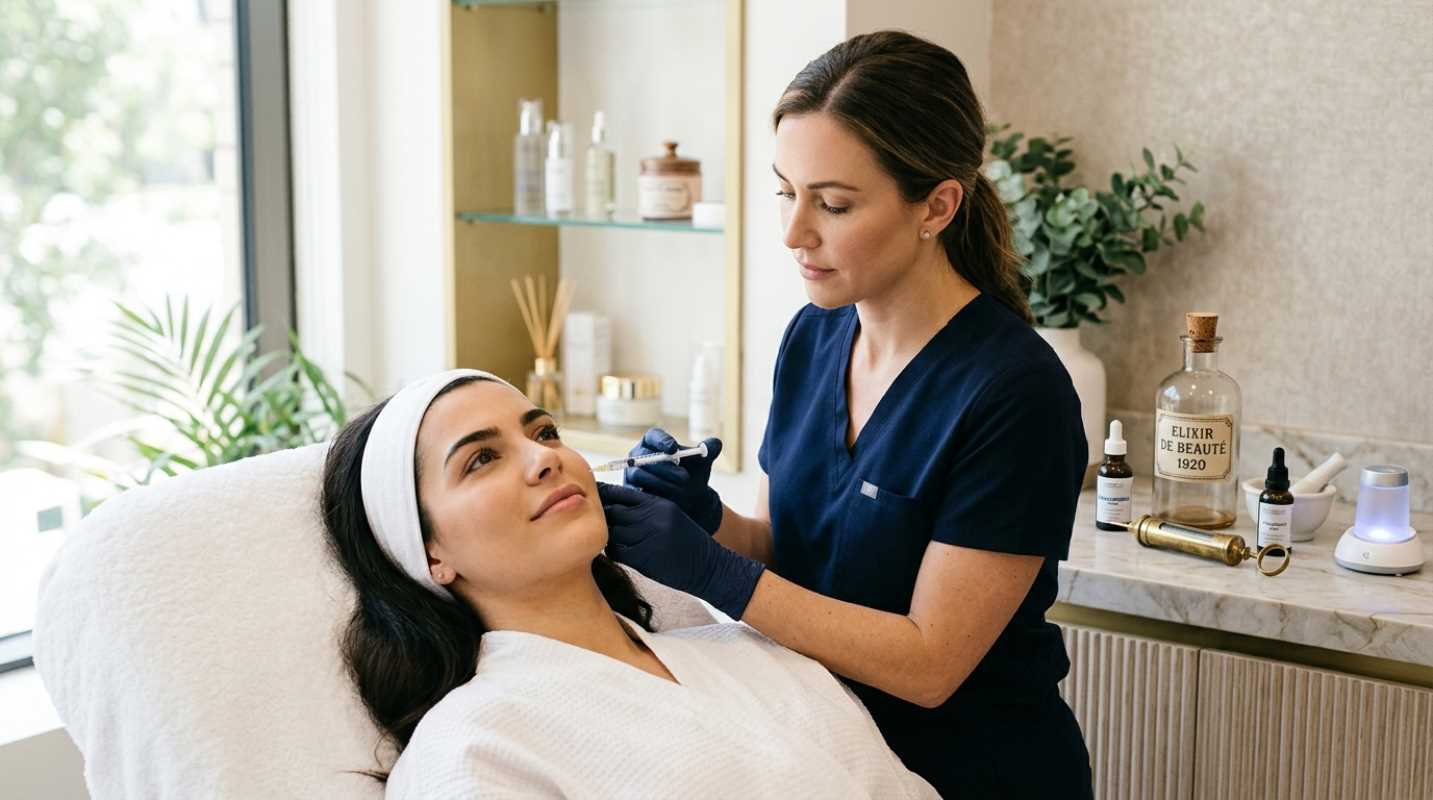
To clear up the confusion, a landmark national study published in the Journal of the American Academy of Dermatology (JAAD) established a definitive consensus on skincare ingredients.¹ Led by senior author Dr. Murad Alam, vice chair and professor of dermatology at Northwestern University Feinberg School of Medicine, the study used a rigorous review method.¹
A panel of 62 board-certified cosmetic dermatologists across 43 academic institutions evaluated 318 skincare ingredients.¹ To make the final recommended list, an ingredient had to be recommended by at least 70% of the experts and discouraged by no more than 15%.¹ Out of hundreds of ingredients, only 23 made the final cut.¹ Let's look at the absolute best ingredients you should actually look for in your products.
The Gold Standard Retinoids and Retinol
If you ask any dermatologist to name their single favorite anti-aging ingredient, they will almost certainly say retinoids. This family of Vitamin A derivatives, which includes over-the-counter retinol, retinaldehyde, and prescription-strength tretinoin, won a staggering 96.8% consensus in the Northwestern University study.¹
So how do they work? Think of retinoids as a personal trainer for your skin cells. They accelerate cellular turnover, pushing fresh cells to the surface while actively stimulating collagen and elastin production deep within the skin. Over time, this process smooths out fine lines, fades dark spots, and refines your skin texture.
But you cannot just slather on a high-strength retinoid and hope for the best. If you go too fast, you will end up with dry, peeling, and irritated skin. To build up your skin's tolerance safely, use these simple steps
• Start slowly: Apply a pea-sized amount just two or three nights a week at first.
• Buffer your skin: Put your moisturizer on first, then your retinoid, to create a protective barrier.
• Wear sunscreen daily: Retinoids make your skin more sensitive to the sun, so daily protection is mandatory.
Actually, mineral sunscreens containing Zinc Oxide or Titanium Dioxide tied with retinoids for the top spot in the dermatology study, also earning a 96.8% consensus.¹ UV radiation is responsible for up to 80% of visible skin aging, so physical sunscreens that deflect these harmful rays are your best defense against wrinkles.¹
Hydration Heroes Hyaluronic Acid and Ceramides
Although retinoids do the heavy lifting deep in your skin, you also need ingredients that keep your skin surface soft, plump, and hydrated. Dehydrated skin makes even the tiniest fine lines look much deeper than they actually are.
That is where hyaluronic acid and ceramides come in. Hyaluronic acid is a powerful humectant, meaning it acts like a sponge that can hold up to 1,000 times its weight in water. By drawing moisture into the upper layers of your skin, it instantly plumps up your complexion and smooths out dry patches.
But hydration is only half the battle. You also have to keep that moisture from evaporating. Ceramides are natural lipids that make up your skin's protective barrier. Think of them as the mortar holding your skin cell bricks together.
These ingredients matter for every single skin type
• Dry skin: They rebuild the barrier to stop flaking and tightness.
• Oily skin: They provide weightless hydration without clogging pores.
• Sensitive skin: They soothe irritation caused by stronger active ingredients.
In the Northwestern study, ceramides secured an 82.1% consensus, while hyaluronic acid followed closely at 79%.¹ They are the ultimate team for keeping your skin looking bouncy and youthful.
The Brightening Powerhouse Vitamin C
Did you know that everyday environmental stressors are constantly aging your skin? Every day, your skin faces free radicals from pollution and UV rays that break down your collagen.
To fight back, you need a strong antioxidant like Vitamin C in your morning routine. This powerhouse ingredient, which earned an 88.7% consensus among top dermatologists, neutralizes free radicals before they can cause permanent damage.¹ It also blocks the overproduction of melanin, which helps fade stubborn dark spots and gives you a brighter, more even skin tone.
To get the absolute most out of your Vitamin C, you should always pair it with sunscreen. When you layer Vitamin C under your daily SPF, they work together to create a double barrier against environmental damage. It is like wearing a seatbelt and having an airbag at the same time.
Building Blocks Peptides and Niacinamide
Now let's talk about some incredibly popular ingredients that help support your skin barrier and improve texture.
Peptides are short chains of amino acids that act as tiny messengers. When applied to the skin, they send signals telling your cells to produce more collagen. But one of the most surprising findings of the Northwestern University study was that peptides did not make the final consensus list.¹ Although they are incredibly popular in luxury skincare formulations, dermatologists noted they currently lack large-scale, long-term clinical trial data.¹ They are still a gentle and pleasant addition to a routine, but they do not have the decades of clinical backing that retinoids possess.
Then there is niacinamide, also known as Vitamin B3. This ingredient is a true multitasker that almost everyone can benefit from. It helps repair your skin barrier, calms redness, regulates oil production, and gently smooths out rough texture. Clinical studies show that a 5% concentration of niacinamide significantly reduces fine lines and redness within 4 to 8 weeks. Because it is so gentle, it pairs beautifully with stronger actives like retinol.
If you are curious about what is on the horizon, the dermatology community is closely monitoring several next-generation actives
• Exosomes: These are microscopic, stem-cell-derived messengers that deliver proteins directly to damaged cells to signal regeneration.
• Next-generation retinoids: Formulations using hydroxypinacolone retinoate (HPR) offer the wrinkle-reducing power of traditional retinoids but with far less irritation.
• CycloRetin: A plant-derived active extracted from Prince Ginseng that is gaining popularity as a highly effective, gentle alternative to retinol.
• Bakuchiol: A plant-derived antioxidant that targets the same pathways as retinol, making it an excellent option for sensitive skin or during pregnancy.
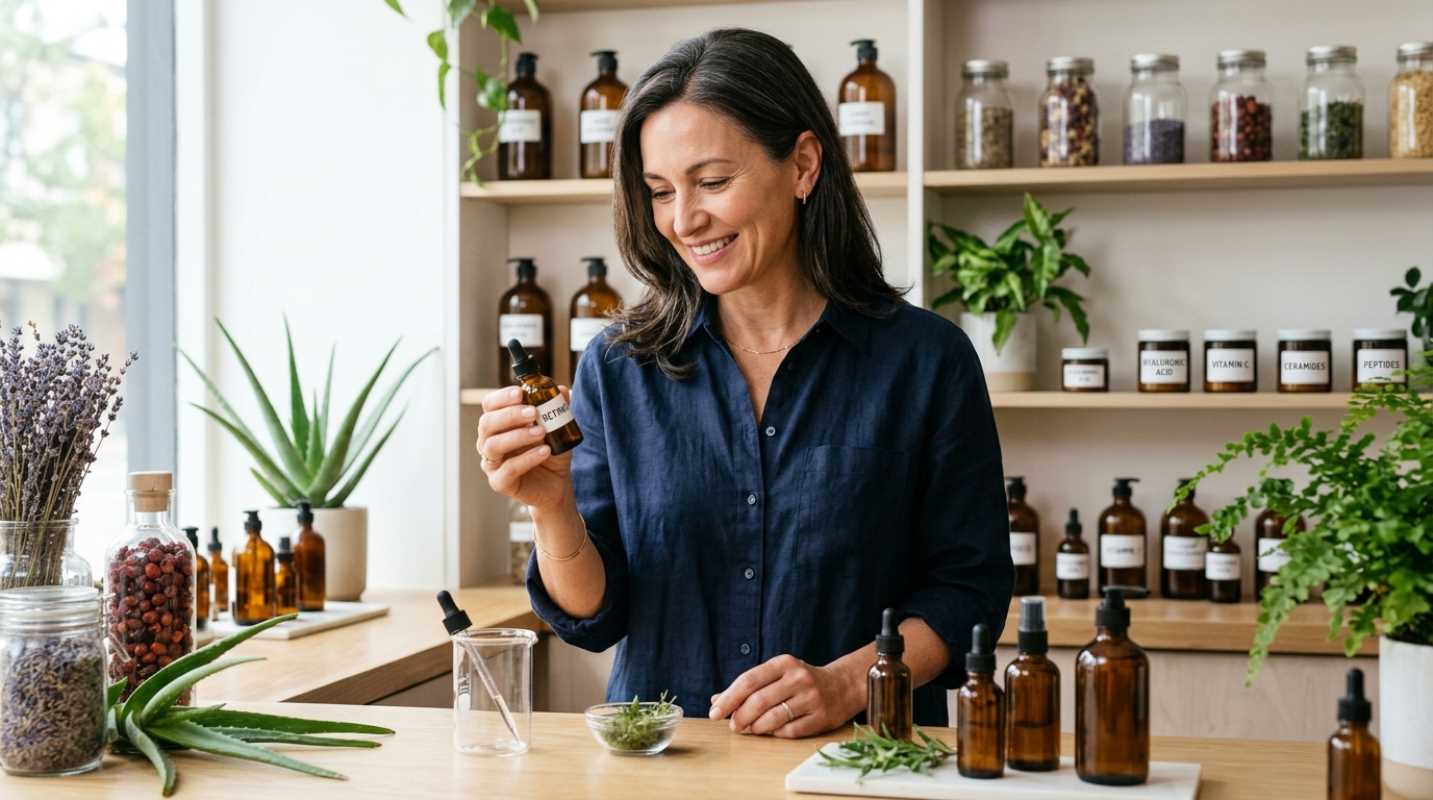
If you want to build a simple, science-backed routine without overcomplicating things, here are some excellent product types to consider.
Consistency is Your Greatest Asset
At the end of the day, there is no single magic serum that will transform your skin overnight. Real, lasting results take time and dedication.
Instead of constantly switching products in search of a quick fix, focus on building a simple, reliable routine that you can stick to every single day. Your skin thrives on consistency. By choosing ingredients with real scientific backing, you are giving your skin exactly what it needs to look and feel its best.
Embrace your skin at every stage of life. Healthy, glowing skin is always in style, and you now have the knowledge to make smart, confident choices for your skincare journey.
Sources:
1. Northwestern University
https://news.northwestern.edu/stories/2025/07/best-skin-care-ingredients-revealed-in-thorough-national-review?fj=1
*This article on knowledgeknower.com is for informational and educational purposes only. Readers are encouraged to consult qualified professionals and verify details with official sources before making decisions. This content does not constitute professional advice.*