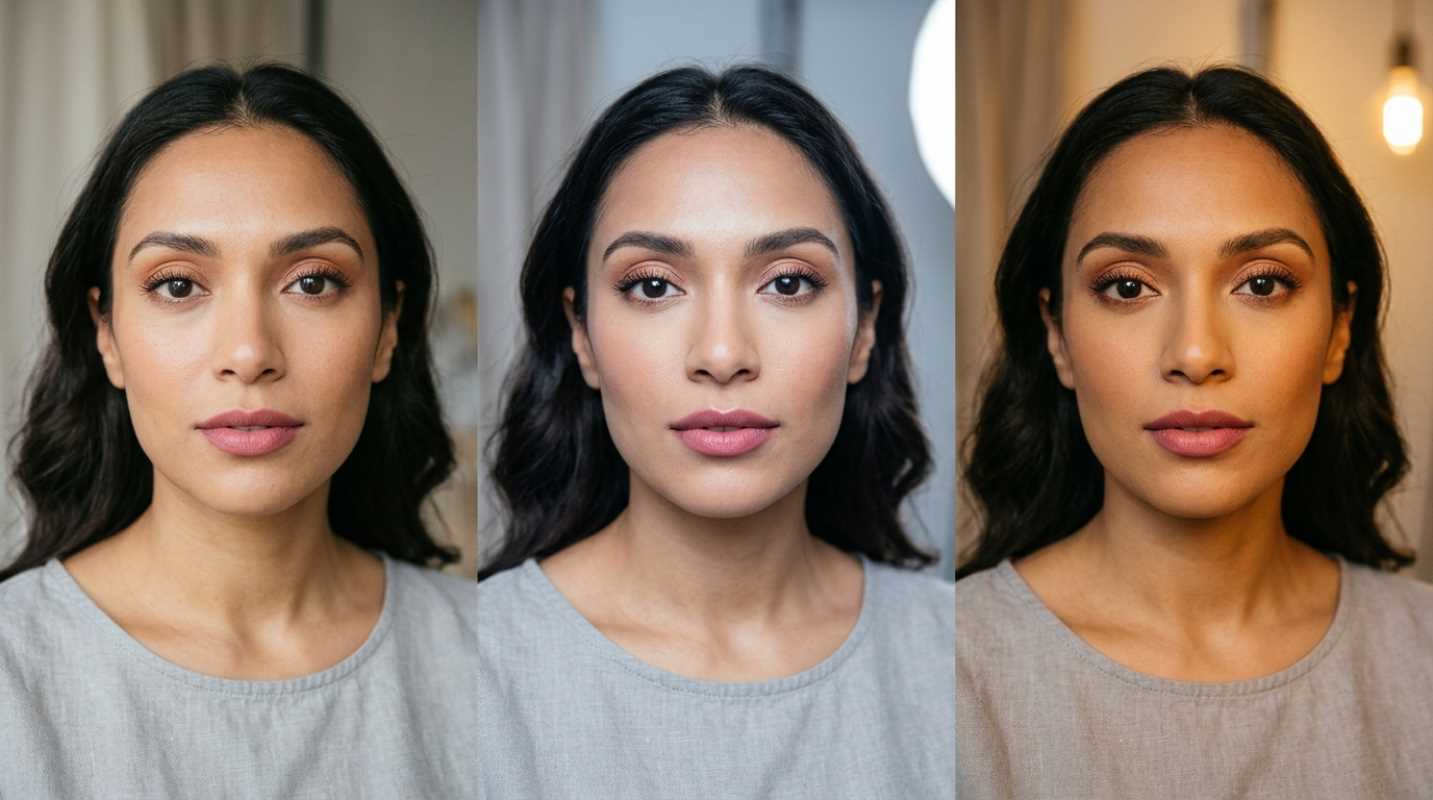
Have you ever looked in the mirror and wondered how we got here? Not just you, personally, but all of us as a society. The desire to tweak, tuck, and smooth our features is not a modern obsession born of social media filters and smartphone cameras.
Humans have been chasing beauty standards for thousands of years. What started as ancient, sometimes hazardous rituals is now a highly precise medical science. Today, getting a cosmetic treatment is about as normal as getting your hair colored or your teeth whitened. It is no longer a hushed secret whispered behind closed doors.
But how did we get to this point of widespread acceptance? By looking at where these procedures started, you can truly appreciate how safe, precise, and advanced today's options are. Understanding the past helps us handle the dizzying array of modern aesthetic choices with confidence.
Introduction from Ancient Rituals to Modern Science
Did you know the roots of reconstructive surgery go back to 600 B.C.? In ancient India, a physician named Sushruta documented the very first forehead flap rhinoplasty in his medical texts.³ Back then, noses were often amputated as punishment for crimes, and Sushruta figured out how to use a flap of skin from the forehead to reconstruct them. It is a technique that surgeons still use in reconstructive surgery today.
For centuries, cosmetic procedures were born out of absolute necessity. The field of modern plastic surgery was actually forged on the battlefields of World War I and World War II. Surgeons like Sir Harold Gillies pioneered facial reconstruction for soldiers who suffered devastating combat injuries.
In the 1920s, a Parisian dermatologist named Suzanne Noël became one of the first surgeons to specialize in purely cosmetic procedures. She performed early facelifts and published her results to help women look younger, which was key for them to gain employment and independence at the time.
Over the decades, these reconstructive techniques evolved. What was once a matter of survival and rehabilitation gradually transformed into a form of self-care and personal help.
The Origins of Injectables and How Botox and Fillers Became Mainstream
Let's talk about the undisputed king of the cosmetic world: Botox. Did you know it started as a treatment for crossed eyes? It is true.
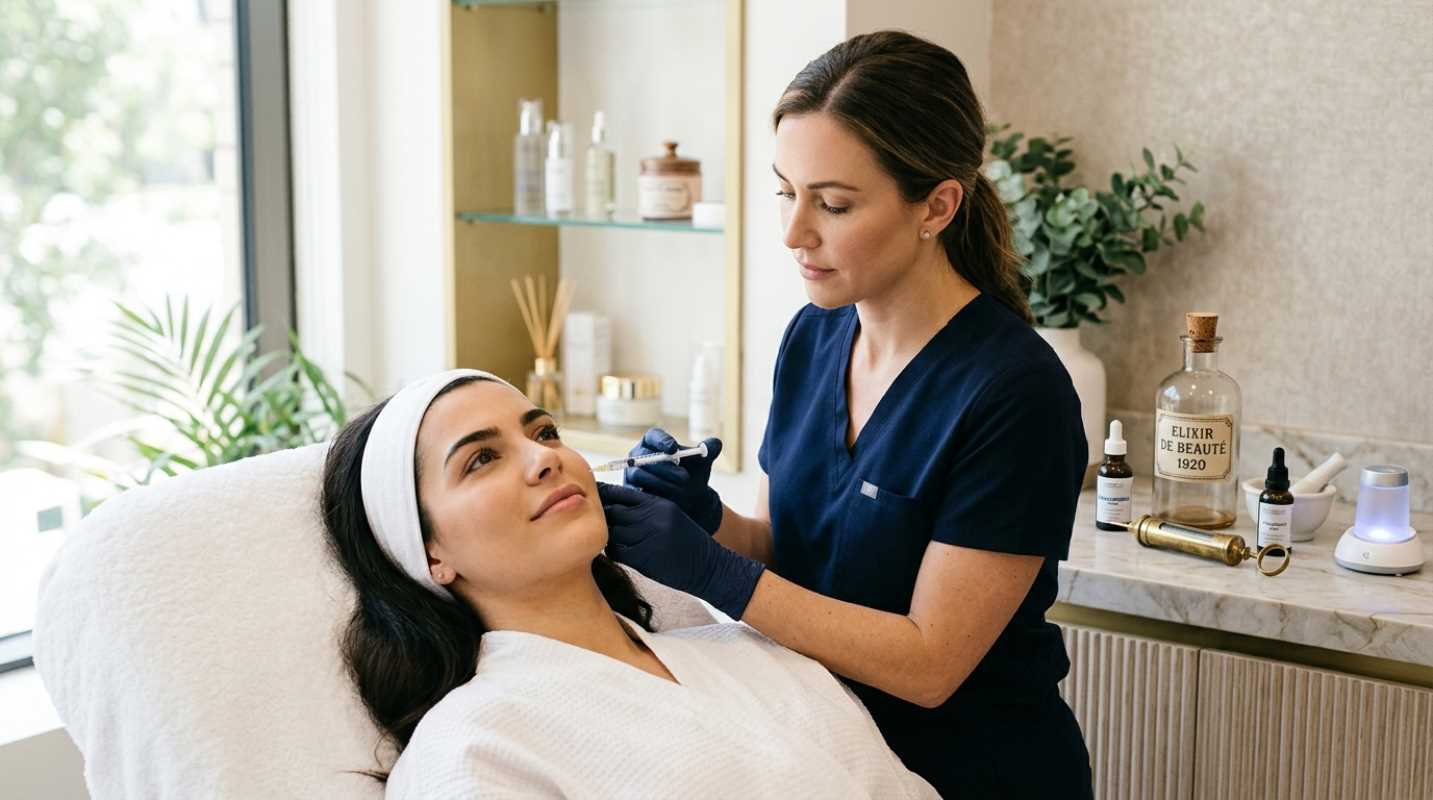
In the late 20th century, ophthalmologists noticed that when they injected botulinum toxin to treat eye muscle spasms, the wrinkles around the patient's eyes miraculously vanished. By 2002, the FDA officially approved Botox Cosmetic, and the "tweakment" revolution was born.¹
This milestone completely changed the cosmetic market. Suddenly, you did not need to go under the knife to look refreshed, and the industry shifted away from the operating room and into the medical spa.
Dermal fillers went through a similar evolution. In 1981, the FDA approved bovine collagen (yes, from cows) as the first dermal filler. But it required allergy testing and did not last very long.
Today, the focus has shifted to hyaluronic acid and advanced biostimulators. These modern options work with your body rather than just inflating your skin like a balloon, giving you a natural look that lasts much longer.
The Evolution of Skin Resurfacing from Ancient Remedies to Laser Technology
If you think chemical peels are a modern invention, think again. Ancient civilizations were doing them thousands of years ago. Cleopatra famously bathed in sour milk to keep her skin glowing.
That sour milk contained lactic acid, which is a mild alpha-hydroxy acid. Meanwhile, ancient Greeks and Romans used grape must (which contains tartaric acid) to achieve a similar exfoliating effect. They were performing chemical peels without even knowing the science behind them.
We have traded sour milk for high-tech lasers. In 1981, researchers published the theory of selective photothermolysis, which is just a fancy way of saying they figured out how to use light to target specific skin structures without burning the surrounding tissue.
Now, skin resurfacing is all about triggering your body's natural healing response. Instead of just stripping away the top layer of skin, modern lasers and microneedling devices stimulate collagen production from the inside out, focusing on long-term skin health.
Body Contouring and the Journey Through Surgical and Non-Surgical Shifts
Body shaping used to be a highly invasive, dramatic affair. Early liposuction in the late 1970s and 1980s was tough on the body, requiring long recovery times and significant downtime.
Fast forward to today, and the options look entirely different. Although surgical liposuction is still highly popular, we now have non-surgical alternatives that freeze or melt fat cells with zero downtime.
How did this happen? Technology made everything more precise, allowing doctors to target fat cells without damaging the surrounding skin or tissue.
Public perception has also shifted. People are much more open about body contouring, and the focus is now on subtle, natural-looking definition rather than drastic transformations.
If you are looking to explore modern cosmetic treatments, here are some of the most popular and highly recommended options available today.
The Future of Aesthetics through Innovation and Accessibility
So where are we now? In 2026, the aesthetic world is focusing heavily on regenerative treatments. Instead of just freezing your muscles or packing your face with temporary fillers, the goal is to make your skin behave like it did when you were younger.
Here is what is dominating the conversation right now
• Polynucleotides: These are derived from salmon DNA and injected into the skin to kickstart cellular repair.²
• Biostimulators: Products like Sculptra stimulate your own collagen production for a highly natural look.
• Exosomes: These cellular messengers are applied after treatments like microneedling to cut recovery time in half.
We are also seeing a massive wave of patients seeking volume restoration. The rise of GLP-1 weight-loss medications has led to a phenomenon often called "Ozempic Face," where rapid weight loss leaves the skin looking deflated. To fix this, facial plastic surgeons have seen a massive 50 percent spike in fat grafting procedures.
Cosmetic treatments are more accessible than ever, thanks to social media and better safety standards. But as you explore your options, remember that the best treatment is one that respects your natural anatomy and supports your long-term skin health.
Sources:
1. The History of Aesthetic Medicine and Surgery
https://jddonline.com/articles/the-history-of-aesthetic-medicine-and-surgery-S1545961613P0737X
2. Aesthetic Treatments to Try in 2025 and Which Ones You Should Avoid
https://www.consultingroom.com/blog/aesthetic-treatments-to-try-in-2025-and-which-ones-you-should-avoid
3. Sushruta: The Father of Plastic Surgery
https://pmc.ncbi.nlm.nih.gov/articles/PMC11679177/
*This article on knowledgeknower.com is for informational and educational purposes only. Readers are encouraged to consult qualified professionals and verify details with official sources before making decisions. This content does not constitute professional advice.*